Opening Hook
Tether’s top brass is firing back at a U.S. Senate inquiry that claims the firm’s stablecoins have propped up illicit activity in Iran. Paolo Ardoino, the company’s CTO, argues the narrative ignores a significant contraction in Iranian on‑chain volume since the investigation began.
Background
The Senate Banking Committee launched a probe earlier this year, focusing on how Tether’s USDT and other stablecoins might be used to sidestep sanctions. Critics have pointed to transaction data that appeared to flow into Iranian wallets, stoking fears of a hidden financial lifeline.
Tether’s Counterpoint
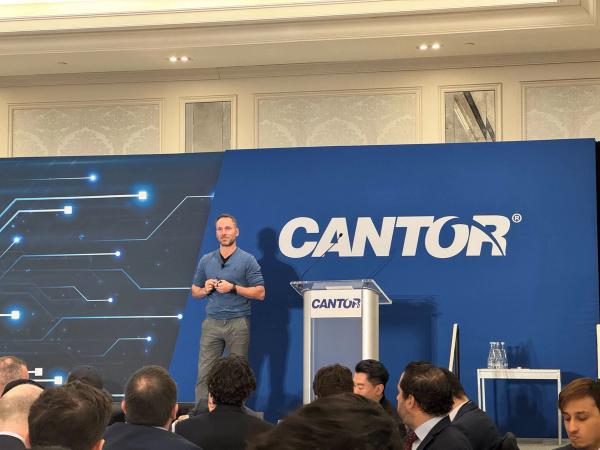
Ardoino presented internal analytics showing a steady decline in Iranian address activity after Tether implemented stricter AML checks and partnered with compliance firms. He emphasized that the lower volumes reflect the effectiveness of those measures, not a lack of market demand.
Implications for Traders and Builders
If the Senate’s concerns are mitigated, Tether could retain its dominant market‑share status without the drag of a regulatory cloud. For DeFi developers, the outcome may dictate whether USDT remains the go‑to bridge asset for cross‑chain liquidity.
Outlook
The investigation is still ongoing, but Tether’s proactive data‑driven defense may set a precedent for how stablecoin issuers engage with lawmakers. Investors will be watching for any policy shifts that could affect the stablecoin market’s liquidity and risk profile.